- Written by
- Claire Josef, Partner
Buying a house is an exciting event but can be confusing if you're not armed with the right information. Claire Josef, a Partner in Thackray Williams' Real Estate team and Head of the Bromley Conveyancing team, discusses the conveyancing process for both buying and selling providing clarity on what you need to think about.
What is conveyancing?
In simplified terms it’s the process of transferring legal ownership of a property from a seller to a buyer. However, it is a lot more than that.
We also deal with re-mortgages, Transfers between parties (relatives, upon death or divorce). We deal with rights of way and separating large parcels of land. Unregistered land or adverse possessions.
Anything relating to a residential property will be dealt with by a conveyancer – but the list of what that may involve can be endless. No 2 days are ever the same!
What is the first thing I need to do if I am selling my property?
First of all consider decluttering your property
The next step will be instructing an Estate Agent but it will be a lot easier for them to take appealing pictures of your property if it is clutter free. Some agents will recommend you keep your décor neutral so Buyers can ‘visualise’ their furniture etc. in the property but that can be expensive and most buyers will see past your décor. But if you feel like the property needs a freshen up then consider going neutral to appeal to a larger audience. You can even employ property ‘stagers’ who dress your home up to make it more appealing to potential buyers!
You should also choose what Solicitor you want to go with and where possible instruct them early on. It doesn’t matter if its before a buyer has been found but the paperwork involved is quite detailed so the sooner you instruct your solicitor the sooner those documents can be prepared. Often, at that initial stage your solicitor will notice title defects (if they exist) or issues with names on the title, charges you might not have known about or missing documents you need to locate, so the sooner that process starts the simpler the process will be afterwards
So you said the next step is instructing an Estate Agent, how does a Seller choose what agent to go with?
The options are vast so it is hard to choose and it does very much depend on the property you are selling. There are agents who specialise in high value properties, some who have a good client base for investment properties and others who understand the intricacies of retirement flats.
The key is to go local and getting 3 agents around to carry out a valuation. Some are renowned for over valuing to gain your business but that just means a buyer knocks you down when their own valuer comes around. Getting 3 agents around allows you to find an ‘average’.
What paperwork is involved in selling a house?
This can vary substantially but initially, the Title Deeds (either stored electronically at the Land Registry or if the property is unregistered will be a bundle of old deeds and documents evidencing ownership), you will have to complete a Fixtures and Fittings form (detailing what items are included or excluded from the sale), a Property Information Form which refers to guarantees for windows, boilers and the like. Planning and/or building regulation consent for works completed, an Energy Performance Certificate (EPC) usually obtained via the Estate Agent.
A Lease if the property is leasehold and in that case also a management pack from the Freeholder or their managing agent.
When you are buying, your conveyancer will receive all of these documents which they will review and report on so you have an understanding of what works have been completed at the property or what covenants, rights etc. affect it. When buying your conveyancer will submit searches (Local Authority, Drainage and Environmental) so often those searches flag other matters, all of which you will be told about as part of the process in various reports as the matter progresses. Each document will be summarised to the Buyer to help them understand the legal issues.
What about if I am buying or buying and selling?
You need to consider your finances.
If you have something to sell you might not get what you are asking so you need to consider how you will pay for the property you are buying, the stamp duty, removal costs and legal fees etc.
If you need a mortgage, get a Mortgage Broker involved or speak to your bank directly to see how much you can borrow before you make an offer on your dream home
Your solicitor also needs to verify your identity and source of funds so the process can take a little while to finalise. The sooner that is all resolved the quicker the matter can progress once a buyer is found. For your source of funds you may have to provide additional documents such as investment statements, bank statements – things you may have to get from a third party, so again, it is a good idea to start that process early on. If you don’t know the address of the property you are buying but know what your budget is – your Solicitor can start the process so it is all in place for when you find the property you want to buy.
How long does the conveyancing process take?
How long is a piece of string? On average – it should take 10 to 12 weeks from accepting an offer to exchange but it can be a lot slower, or quicker depending on so many varying factors. For some time now the UK housing market has seen a lack of supply in housing stock – especially in areas where the schools are good – so demand in those areas is high. This can lead to more offers and higher prices if you are selling, but it often also leads to chains which is where the delays can come in.
We generally say we can ‘go as quick as the slowest person in the chain’ and that will never be us – but we cannot control how quickly third parties move.
Leasehold properties invariably take much longer as you are adding in Leases, Management Companies and often third parties with little motivation to move quickly. If a lease has a defect and needs varying that adds weeks to the transaction. The important thing is not to be rushed. No one intends to slow the process down on purpose, but buying a property is a privilege and is one of the largest investments someone will ever make in their life so it is a stressful time.
Imposing unachievable deadlines or threatening to pull out does not help overcome the hurdles. Good conveyancers will communicate with their client and the opposing solicitor so all parties know what the issue is and what can be done to overcome it. The end goal is the same for everyone. A seller wants to sell and a buyer wants to buy. That will happen if all parties communicate and cooperate with each other to achieve that.
How can our conveyancing team help you?
If you would like any advice on purchasing or selling a property, please contact Claire Josef, Head of the Bromley Conveyancing team, on 01732 496496.
Related News & Insights
-
![]()
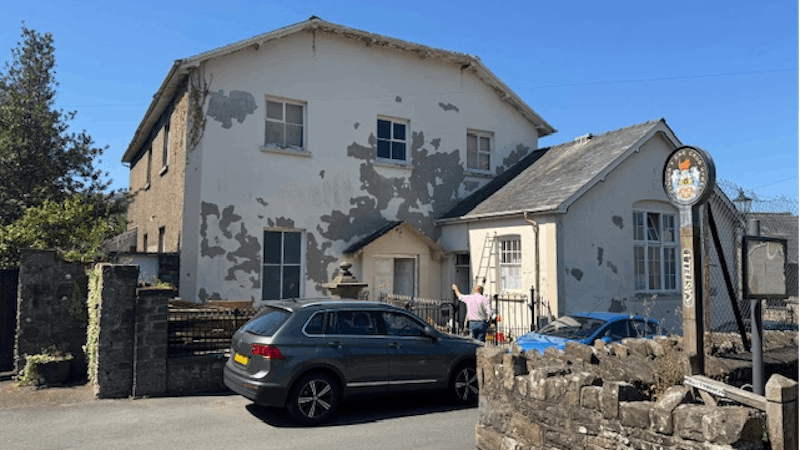
The Chapel - A year in the planning Part 7 of Liz Hutton's journey to restore a derelict chapel in Wales
Articles | 24 July 2026
-
![]()
Out with the old, in with the new: Understanding property part exchange
Articles | 24 June 2026
-
![]()
Thackray Williams’ people go from strength to strength
News | 10 June 2026
-
![]()
Litigation and conveyancing experts steal headlines as Renters’ Right Act comes into effect
News | 19 May 2026